www.theordermatters.eu

The order
matters.

Check first. Renovate smarter.

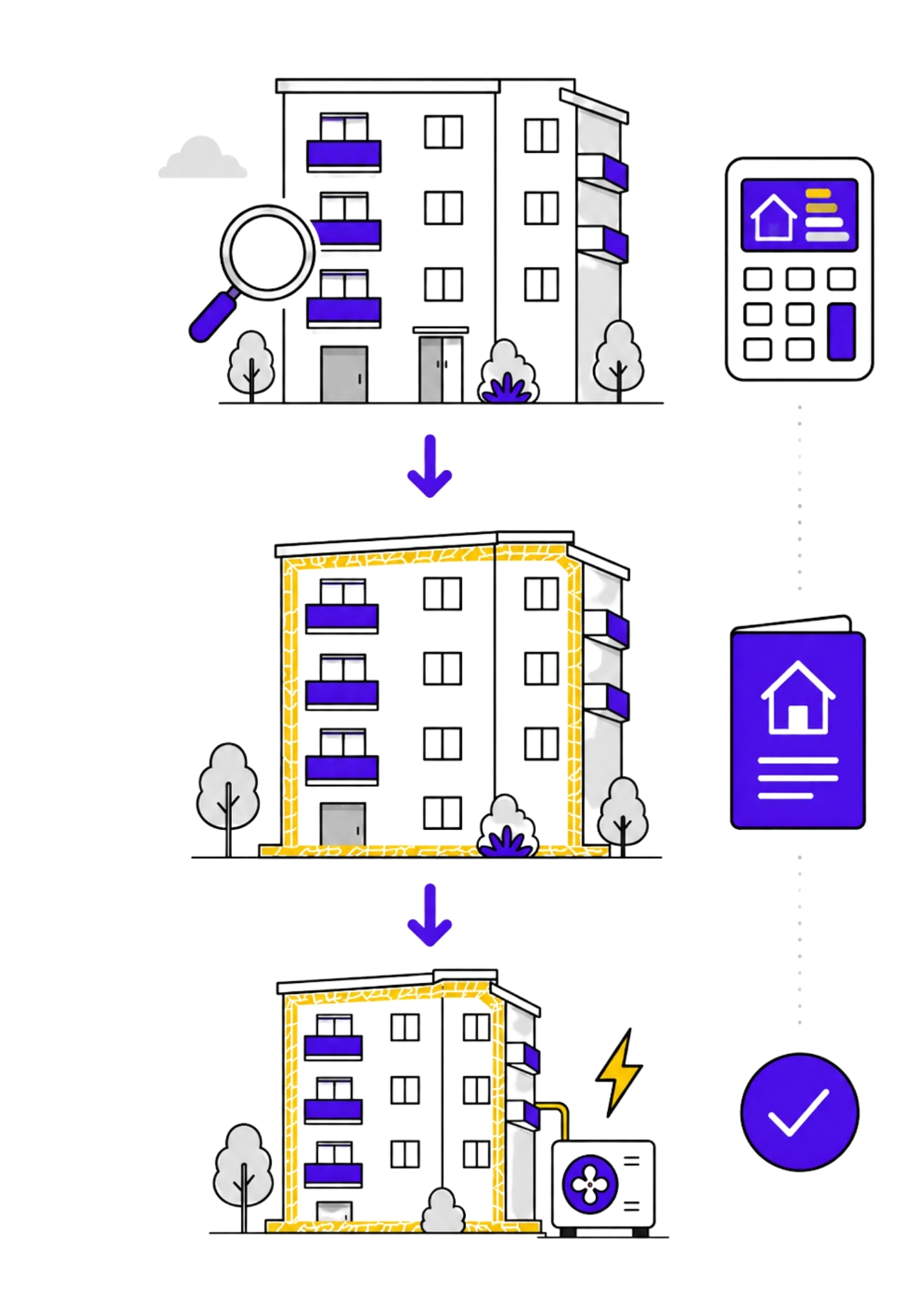
You would not start driving and look for the seatbelt afterwards. You would not start surgery before making the diagnosis. And you should not install new heating systems before knowing whether a building is ready for them. Europe's renovation wave will only deliver if policy gets the sequence right. That starts with a simple, practical step: check insulation first.

Why the order matters

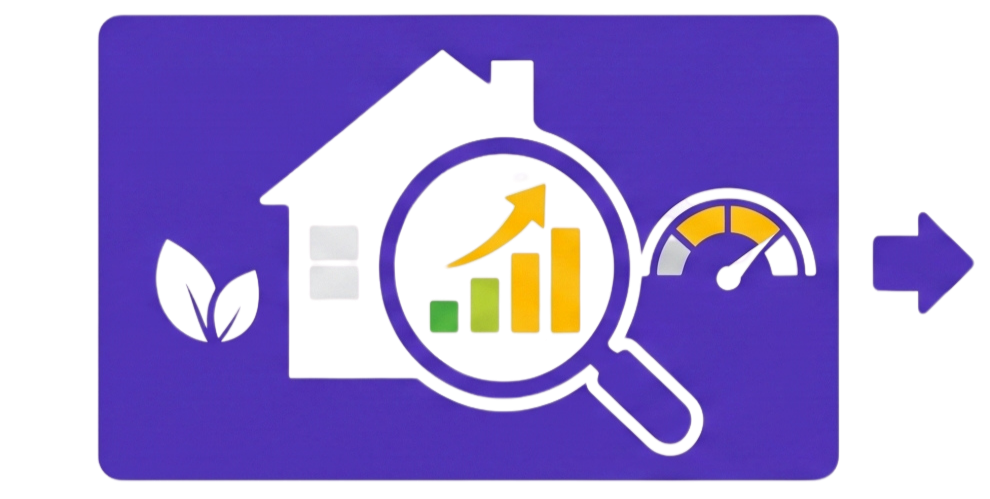
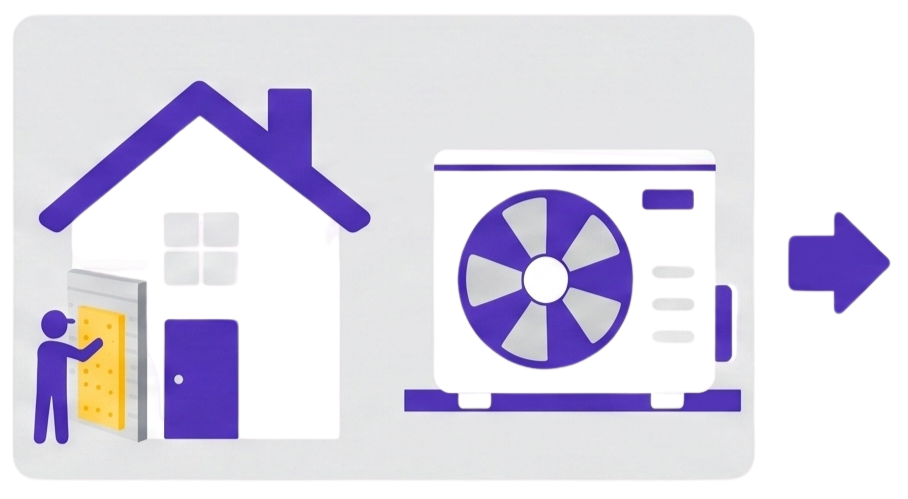
Europe cannot afford to renovate in the wrong order. The Low-Temperature Readiness Tool helps policymakers and stakeholders see whether a building is ready for efficient low-temperature heating — such as heat pumps — or whether insulation and other improvements should come first.

By checking whether a home is energy efficient enough before choosing major renovation measures, Europe can reduce costs, strengthen energy security, ease pressure on the grid, and support a more competitive and resilient economy.

Check building readiness now →
Infographic placeholder

THE BENEFITS OF
CHECKING FIRST

A check first approach can help in three important ways.

Stronger resilience and energy security

50%

Insulation slows heat gains and heat losses, helping buildings maintain stable indoor temperatures during extreme heat, cold spells, and energy disruptions. Better insulated homes stay safer and more comfortable, and insulation materials such as mineral wool are made from abundant, non-critical materials like basalt and recycled glass.

Read more →

A stronger energy system and a more competitive Europe

Well-insulated homes can help deliver four times less grid congestion. Insulating the EU building stock could cut peak heating demand by almost 50% by 2050. Reducing demand spikes helps lower the risk of grid stress, blackouts, and wasted renewable energy, supporting Europe's competitiveness.

Read more →

Lower costs and better outcomes for citizens

€1,500

Better building performance can help halve electricity bills across the EU. Households could see an average annual reduction of €1,500 in energy bills. The average required size of a home's heat pump can be optimised by up to three times, helping reduce upfront costs. Well-prepared homes are also more comfortable, quieter, and healthier.

Read more →

Our Partners Take the Challenge

Ever tried to draw a house without lifting your pen from the page? It sounds simple, until you try it. The only way to make the shape work is to start with the outside — the building envelope, where insulation does its job — before moving inside. Our partners took on the challenge to show why the sequence matters.

Expert testimonial — Name Surname

Name Surname

Position — Organization

Expert testimonial — Name Surname

Name Surname

Position — Organization

Expert testimonial — Name Surname

Name Surname

Position — Organization

Evidence from the Ground

See how checking insulation first can help make renovation decisions clearer, cheaper, and more effective across Europe.

Case study — Lorem ipsum

Case Study Name 1

Lorem ipsum dolor sit amet, consectetur adipiscing elit. Sed do eiusmod tempor incididunt ut labore et dolore magna.

Case study — Lorem ipsum

Case Study Name 2

Ut enim ad minim veniam, quis nostrud exercitation ullamco laboris nisi ut aliquip ex ea commodo consequat.

Case study — Lorem ipsum

Case Study Name 3

Duis aute irure dolor in reprehenderit in voluptate velit esse cillum dolore eu fugiat nulla pariatur excepteur.

Turning "Check First" into Action

The check first approach can be put into policy today. Policymakers do not need to wait for a perfect renovation system. They can start by making sure that building performance is assessed before households are encouraged to make major investment decisions. These policy tools are designed to help Member States move from ambition to delivery.

Policy 1

Lorem ipsum dolor sit amet, consectetur adipiscing elit. Sed do eiusmod tempor incididunt ut labore et dolore magna aliqua ut enim ad minim veniam quis nostrud.

Read more →

Policy 2

Ut enim ad minim veniam, quis nostrud exercitation ullamco laboris nisi ut aliquip ex ea commodo consequat duis aute irure.

Read more →

Policy 3

Duis aute irure dolor in reprehenderit in voluptate velit esse cillum dolore eu fugiat nulla pariatur. Excepteur sint occaecat.

Read more →

The Low-Temperature Readiness Tool supports these policies by giving policymakers and stakeholders a trusted way to assess whether a building is ready for low-temperature heating.

Try the Low-Temperature Readiness Tool →

Frequently Asked Questions

What should I check before installing a heat pump or a new heating system?

Before installing a heat pump or another new heating system, you should check how well your home keeps heat in. This means looking at insulation, windows, doors, roofs, floors and other parts of the building envelope. If a home loses too much heat, the heating system may need to work harder, cost more to run and deliver less comfort. A proper assessment helps identify the right renovation steps for that specific building.

Why does insulation matter before changing the heating system?

Insulation affects how much energy a home needs to stay warm in winter and comfortable in summer. If insulation is poor, a new heating system may be oversized, less efficient or more expensive to run than necessary. Checking insulation first helps homeowners, auditors and policymakers understand whether the building is ready for clean heating, or whether the building envelope should be improved first.

Does insulation help heat pumps work better?

Yes. Heat pumps usually work best in homes that can stay warm with lower-temperature heating. Good insulation reduces heat loss, which helps the heat pump operate more efficiently and maintain comfort. This does not mean every home must be fully renovated before installing a heat pump. It means the building should be assessed first, so the heat pump is installed in the right conditions.

How do I know if my building is ready for a heat pump?

A building may be ready for a heat pump if it can stay warm without needing very high heating temperatures. This depends on factors such as insulation levels, heat loss, windows, ventilation, radiators or underfloor heating, and the overall condition of the building. The best way to know is to carry out an energy assessment or use a readiness tool that checks whether the home can work well with low-temperature heating.

Are there tools that can help check if my home is ready for a heat pump?

Yes. Low-temperature readiness tools can help assess whether a building is suitable for low-temperature heating systems, such as heat pumps. These tools can show whether the building is already ready, or whether improvements such as insulation, better windows or heating system upgrades should be considered first.

What does "low-temperature readiness" mean?

Low-temperature readiness means that a building can be heated effectively using lower water temperatures, which are commonly used by heat pumps. If a building loses too much heat, it may struggle to stay comfortable with low-temperature heating unless improvements are made to the building envelope or heating distribution system.

Is insulation always the first renovation measure a home should take?

Not always. Some homes may already be efficient enough for the next renovation step. Others may need insulation improvements before a heat pump, solar panels or other technologies can deliver their full benefit. The key message is: assess first, then invest. Renovation decisions should be based on the actual condition of the building, not on guesswork.

How can checking insulation first reduce energy bills?

A well-insulated building needs less energy for heating and cooling. This can reduce household energy bills and make clean heating technologies more affordable to run. It may also reduce the size of the heating system needed, which can help lower upfront costs.

How can homeowners avoid costly renovation mistakes?

Homeowners should get their home's energy performance assessed before making major renovation investments. This helps identify whether insulation, heating, windows, solar panels or other measures should come first. The aim is not to buy technologies in isolation, but to follow a renovation pathway that fits the building.

How can energy audits support better renovation decisions?

Energy audits show how a building performs today and which improvements are most needed. They help homeowners avoid guesswork and understand the most effective renovation sequence. For policymakers, energy audits can also provide a practical way to support better renovation planning, funding schemes and public guidance.